The Burden of the Legal Syllabus
Law school is a mountain of reading. From Constitutional Law to Torts, students are buried under court opinions, statutes, and academic journals. The challenge isn't just reading the material—it's finding specific arguments and citations when you need them for a brief or an exam.
In 2026, AI is no longer a "cheat code" for law students; it's a necessary tool for survival. Here is how to use AI to master your legal studies.
1. Stop Searching, Start Chatting with Case Law
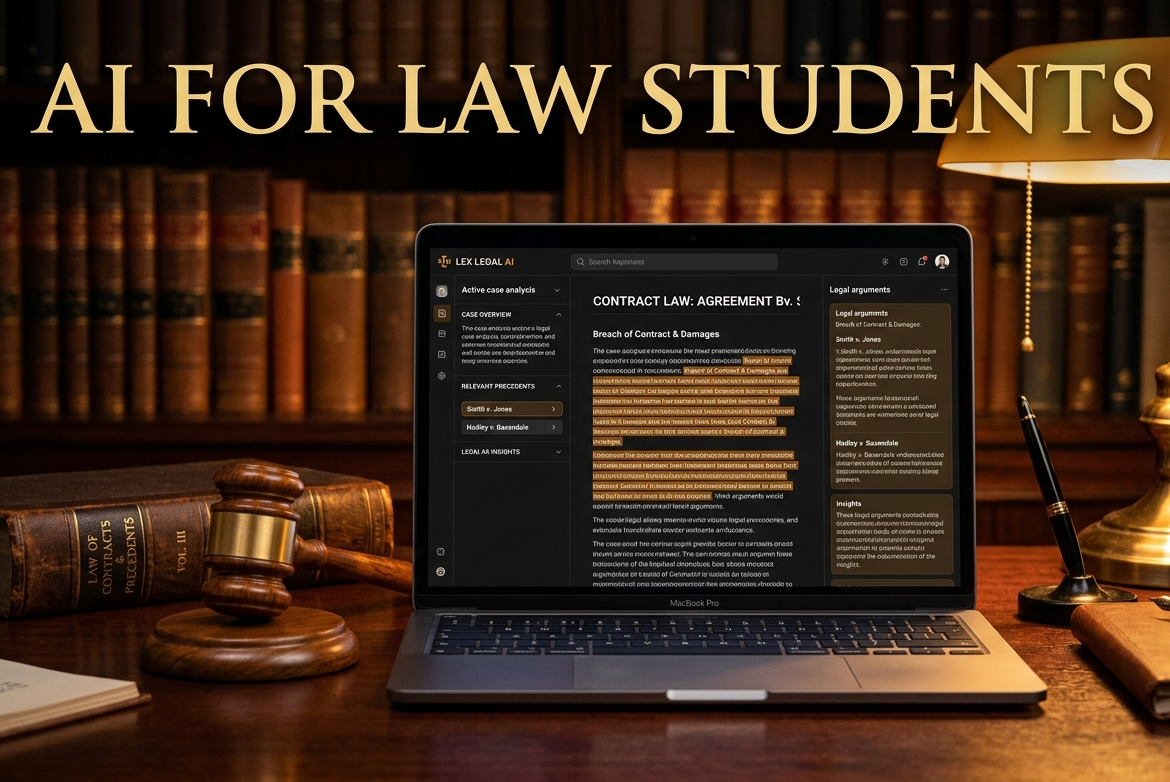
The old way of searching a 50-page court opinion involved `Ctrl+F` and a prayer. The new way is using Atlas AI to treat every case like a witness you can interview.
Instead of hunting for the "ratio decidendi," you can simply ask:
- •"What was the court's primary reasoning regarding the Fourth Amendment in this case?"
- •"Summarize the dissenting opinion's argument about procedural due process."
2. The Power of Clickable Page Citations
For law students, "hallucinations" (where AI makes up facts) are a deal-breaker. You cannot cite a made-up case in a mock trial or an exam.
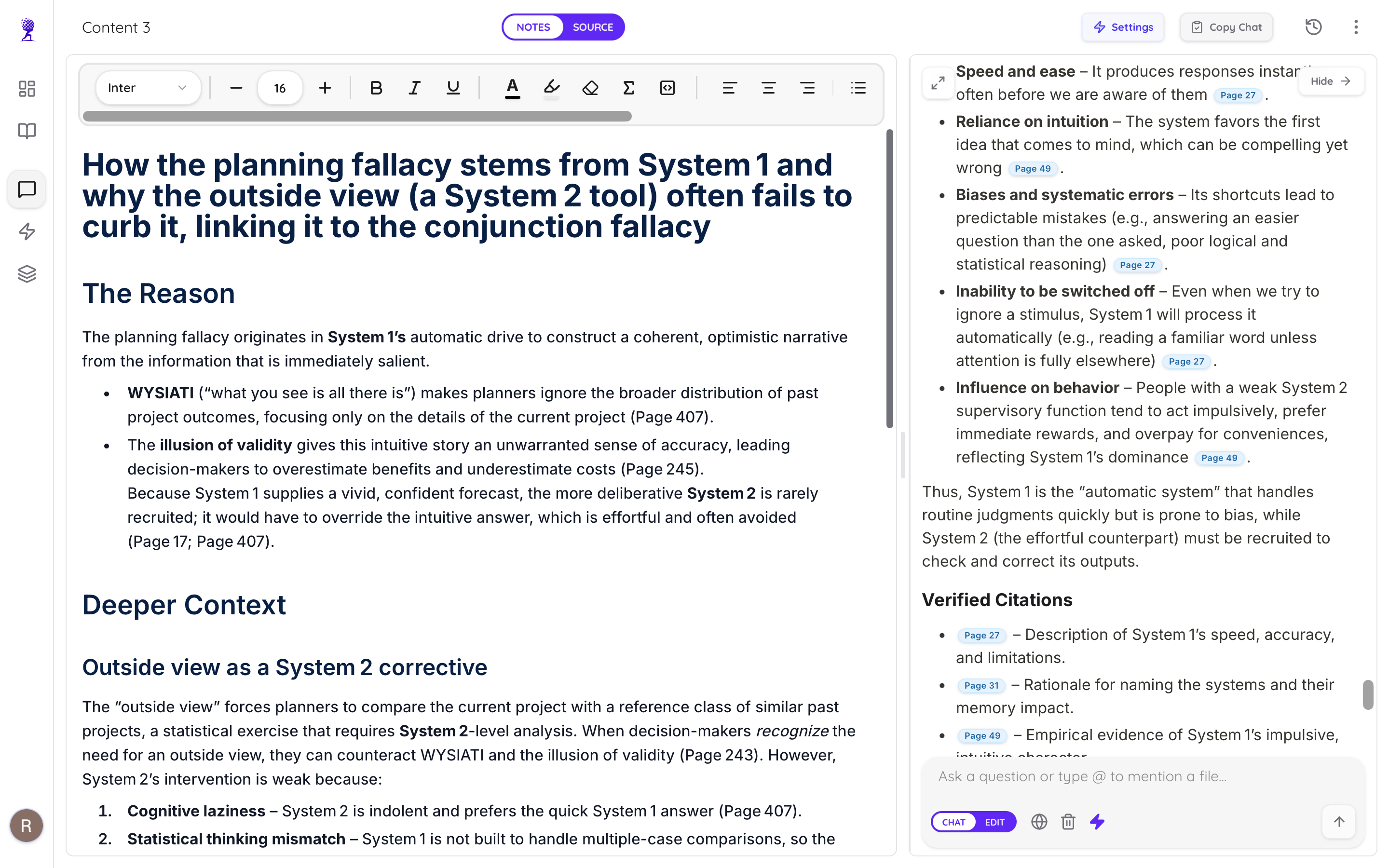
This is why page-level citations are the most important feature for legal study. When Atlas AI answers a question about a statute, it provides a clickable link. Clicking it takes you directly to the exact page and paragraph in the PDF.
Why this matters:
- •Verification: Instantly confirm the AI isn't misinterpreting a complex legal clause.
- •Context: Read the surrounding paragraphs to understand the full legal context.
- •Efficiency: No more scrolling through hundreds of pages to find that one specific quote.
3. Organizing Your "Digital Briefcase"
A typical law student manages dozens of PDFs per semester. Atlas AI acts as your Digital Briefcase, organizing your documents by subject (Torts, Contracts, Property) and allowing you to search across your entire library at once.
Imagine asking, "What are all the cases in my library that mention 'promissory estoppel'?" and getting a structured list with citations from every relevant document.
4. Generating Study Aids from Statutes
Complex statutes can be incredibly dry. Use AI to:
- •Create Structured Notes: Turn a dense statute into a clean bulleted study guide.
- •Generate Practice Quizzes: Test your knowledge of case facts with AI-generated practice exams.
- •Audio Learning: Turn your notes into audio so you can review cases while commuting.
The Ethical Way to Use AI in Law School
AI should be your Research Assistant, not your author.
- •DO use it to find information, summarize long opinions, and clarify complex legal jargon.
- •DO NOT use it to write your final briefs without verification.
By using AI for the "heavy lifting" of organization and retrieval, you free up your brain for the high-level analysis and critical thinking that defines a great lawyer.
Conclusion: The Modern Lawyer's Toolkit
The legal profession is changing. Firms in 2026 are already expecting new associates to be proficient in AI research tools. By mastering these tools in law school, you aren't just saving time—you're preparing for your career.
Master your case law today. Try Atlas AI free →