The End of the Passive Era
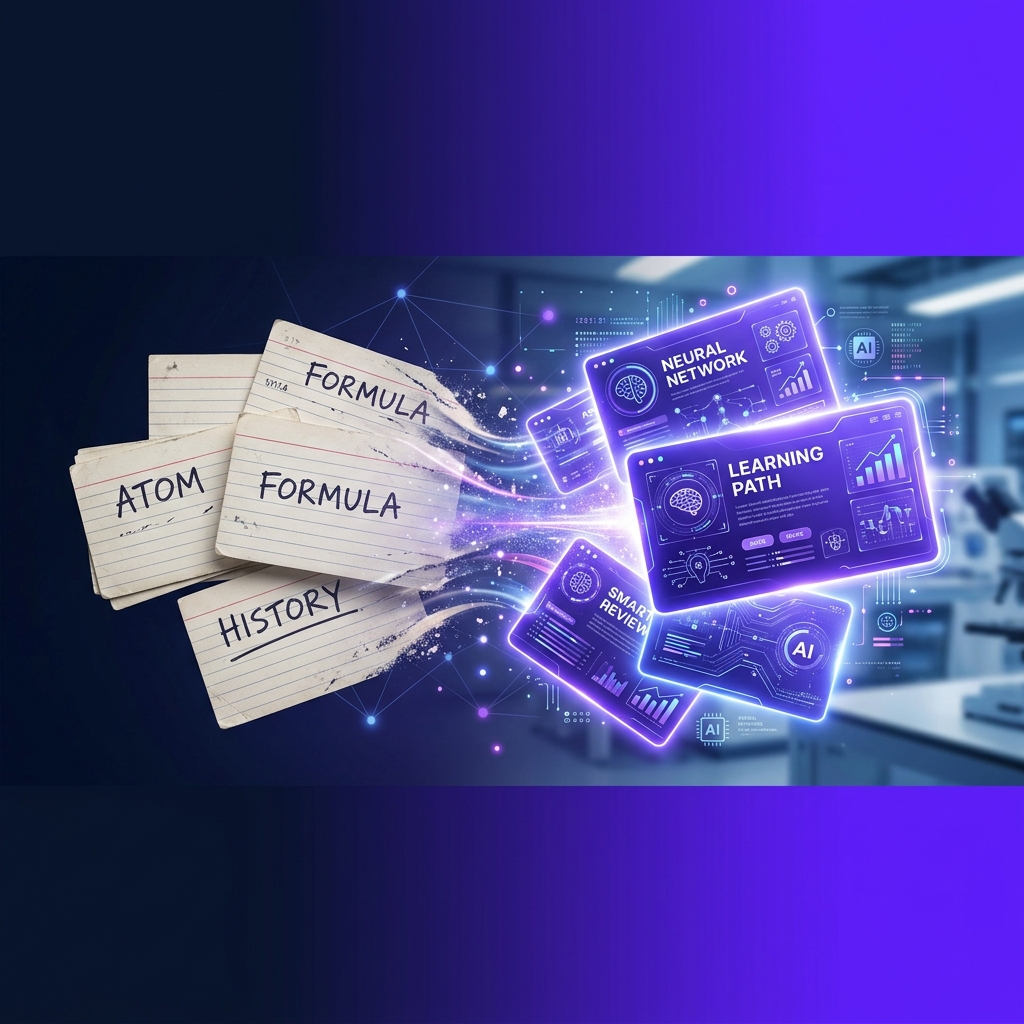
For hundreds of years, the technology of learning has been the same: A book. You look at words on a page, try to hold them in your mind, and hope you remember them for the exam. This is "Passive Learning," and it is remarkably inefficient.
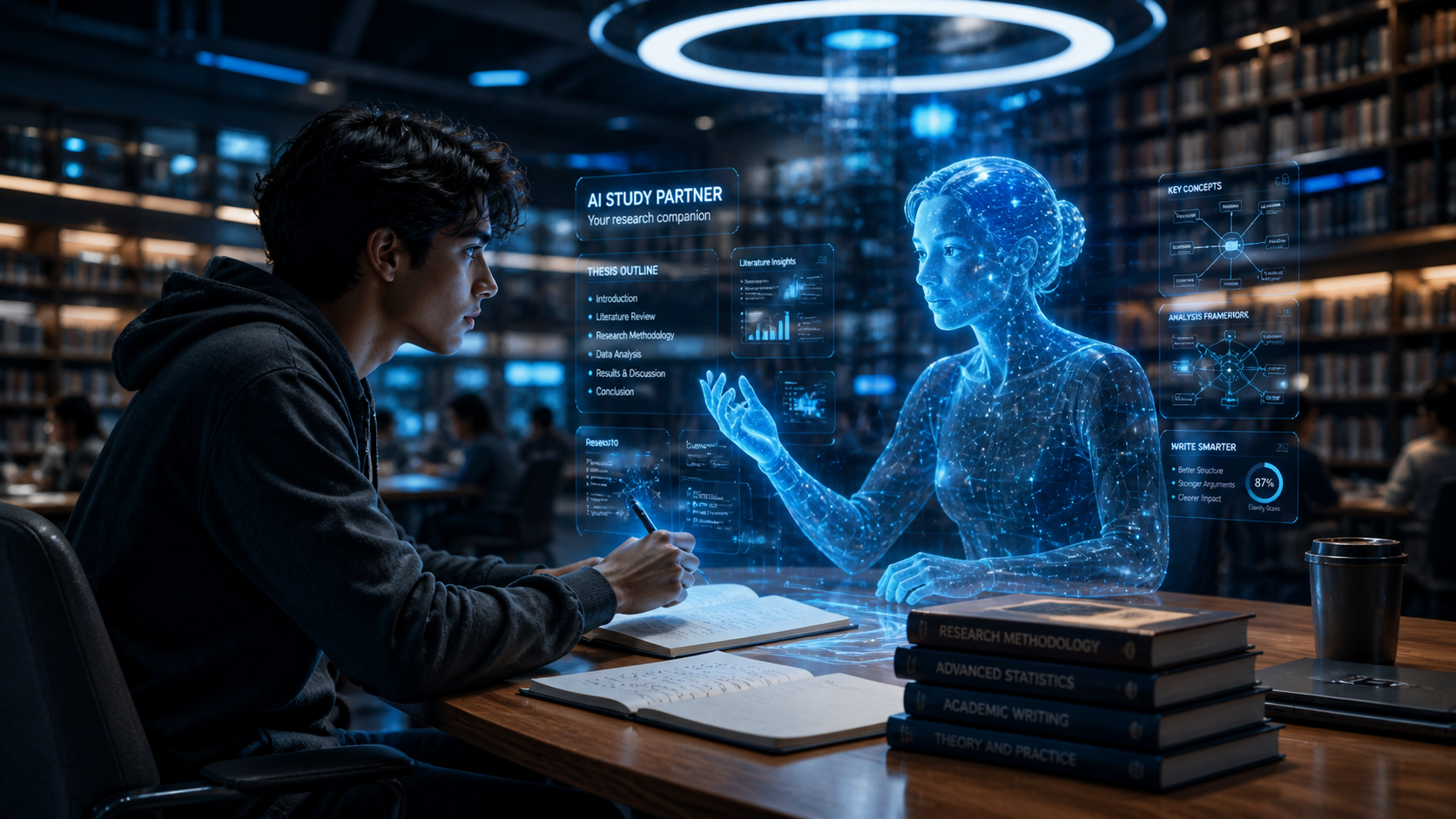
In 2026, we are witnessing the biggest revolution in education since the printing press. We are moving from Passive Textbooks to Interactive AI Study Partners.
1. From "Static" to "Dynamic" Knowledge
A textbook is a dead object. It cannot answer your questions, it cannot test your memory, and it cannot adapt to your specific learning style.
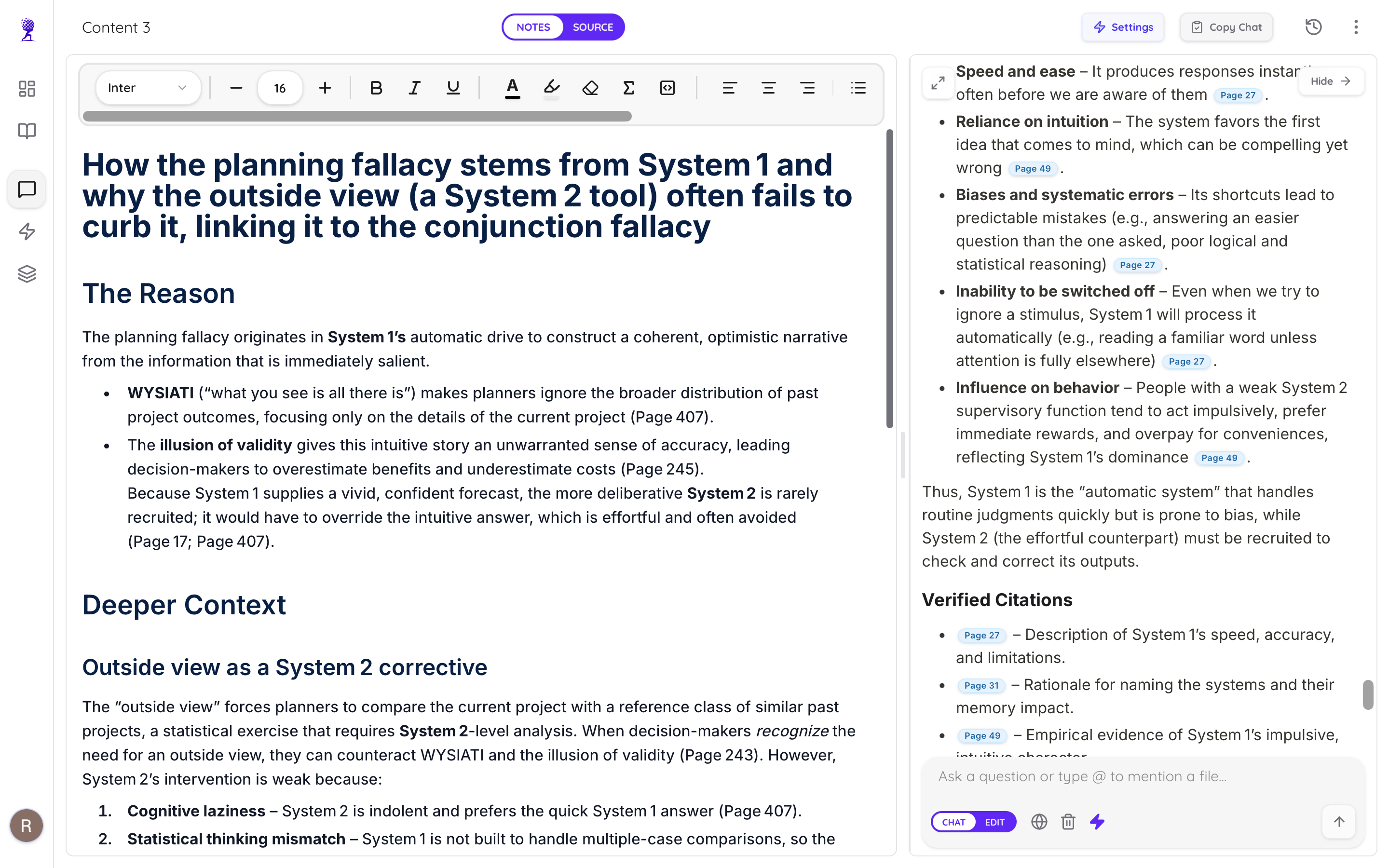
An AI study partner like Atlas AI is a living document.
- •If you don't understand a sentence on page 20, you ask the AI to rewrite it.
- •If you're bored, you ask the AI to turn the material into a quiz game.
- •If you're overwhelmed, you ask the AI to summarize the key points.
2. The Death of the "One-Size-Fits-All" Curriculum
In a traditional classroom, every student reads the same book at the same pace. But some students are visual learners, while others learn best through audio or active recall.
AI allows for Hyper-Personalization:
- •Visual Learners: AI can generate diagrams and mind maps from text.
- •Auditory Learners: AI can turn voice memos and lectures into structured study guides.
- •Kinaesthetic Learners: AI can create interactive practice sessions using the Feynman Technique.
3. The 24/7 Personal Tutor
In the past, personal tutoring was a luxury for the wealthy. Today, AI provides every student with a high-level tutor that:
- •Never gets tired.
- •Knows every textbook in your library.
- •Provides instant feedback on your mistakes.
- •Tracks your progress over weeks and months to ensure you never forget what you've learned.
4. Reclaiming Human Cognitive Energy
The most significant change isn't the technology—it's what it does for the human brain.
When AI handles the "grunt work"—transcribing lectures, organizing PDFs, and creating flashcards—the human brain is freed up for high-level synthesis, critical thinking, and creativity.
We are moving away from "memorizers" and toward "thinkers."
Conclusion: The Opportunity of a Lifetime
We are living through a transition period. Some students will continue to study the old way—highlighting textbooks and re-reading notes—and they will find themselves increasingly overwhelmed by the speed of modern information.
The students who embrace AI study partners today are the ones who will lead their fields tomorrow. They will learn faster, remember longer, and understand deeper.
The future of learning isn't just coming; it's already here.