Medical School is Getting Harder. Your Tools Should Get Smarter.
The sheer volume of information in medical school is overwhelming. Between Gross Anatomy, Pharmacology, and Pathophysiology, students are expected to memorize thousands of pages of dense material.
In 2026, the students topping their class aren't the ones studying longer—they're the ones using AI to study more efficiently. Here are the best AI tools for medical students ranked by their impact on board scores and retention.
1. Atlas AI — Best for Document Mastery and Citations
Website: atlas-ai.in
Medical textbooks like Gray's Anatomy or Harrison's Principles of Internal Medicine are massive. Atlas AI is designed to ingest these 1000-page PDFs and turn them into interactive study hubs.
Why Med Students Love It:
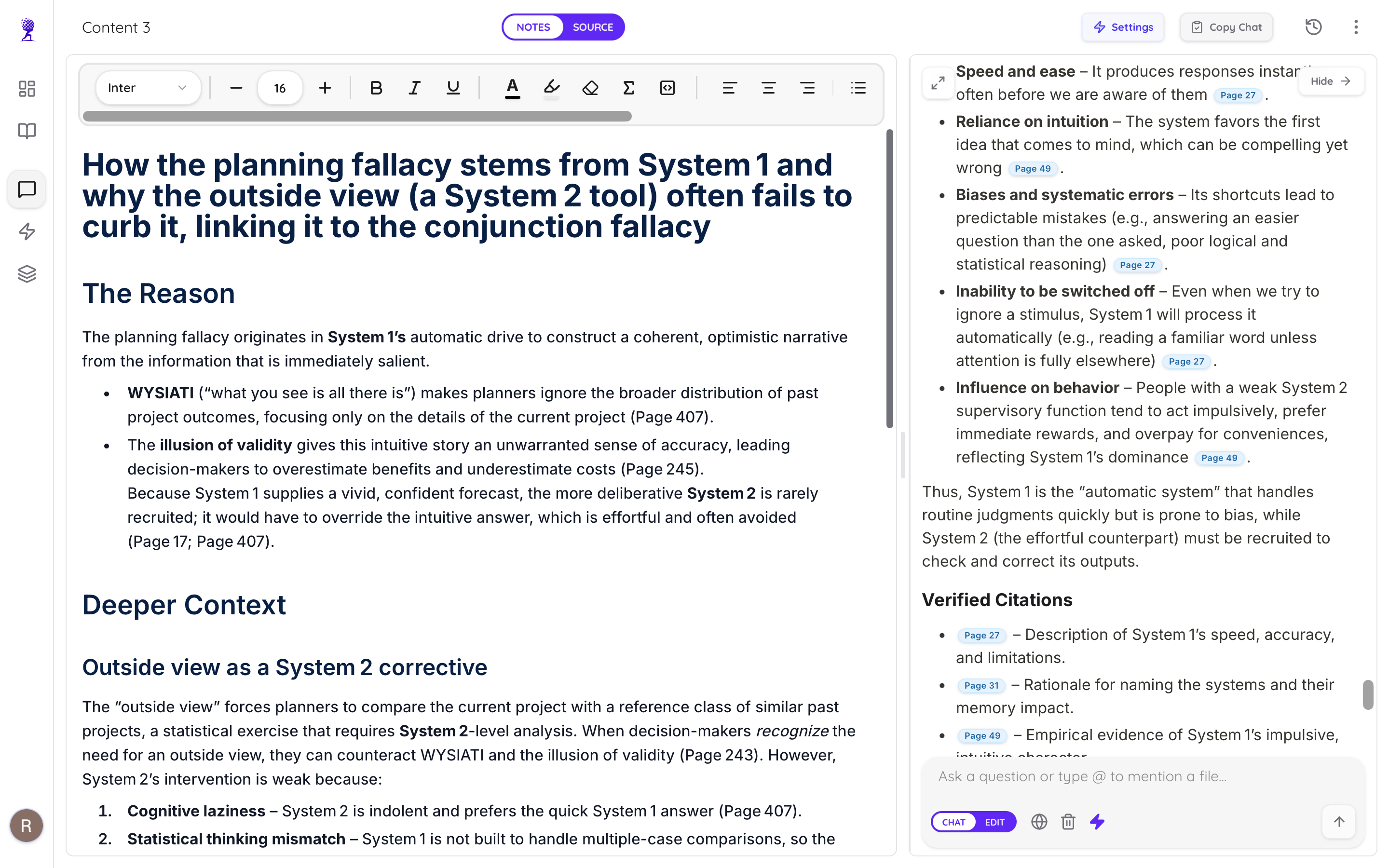
- •Clickable Page Citations: When you ask the AI "What are the stages of chronic kidney disease?", it doesn't just answer—it gives you a page-level citation from your textbook. One click and you are looking at the exact chart on page 412.
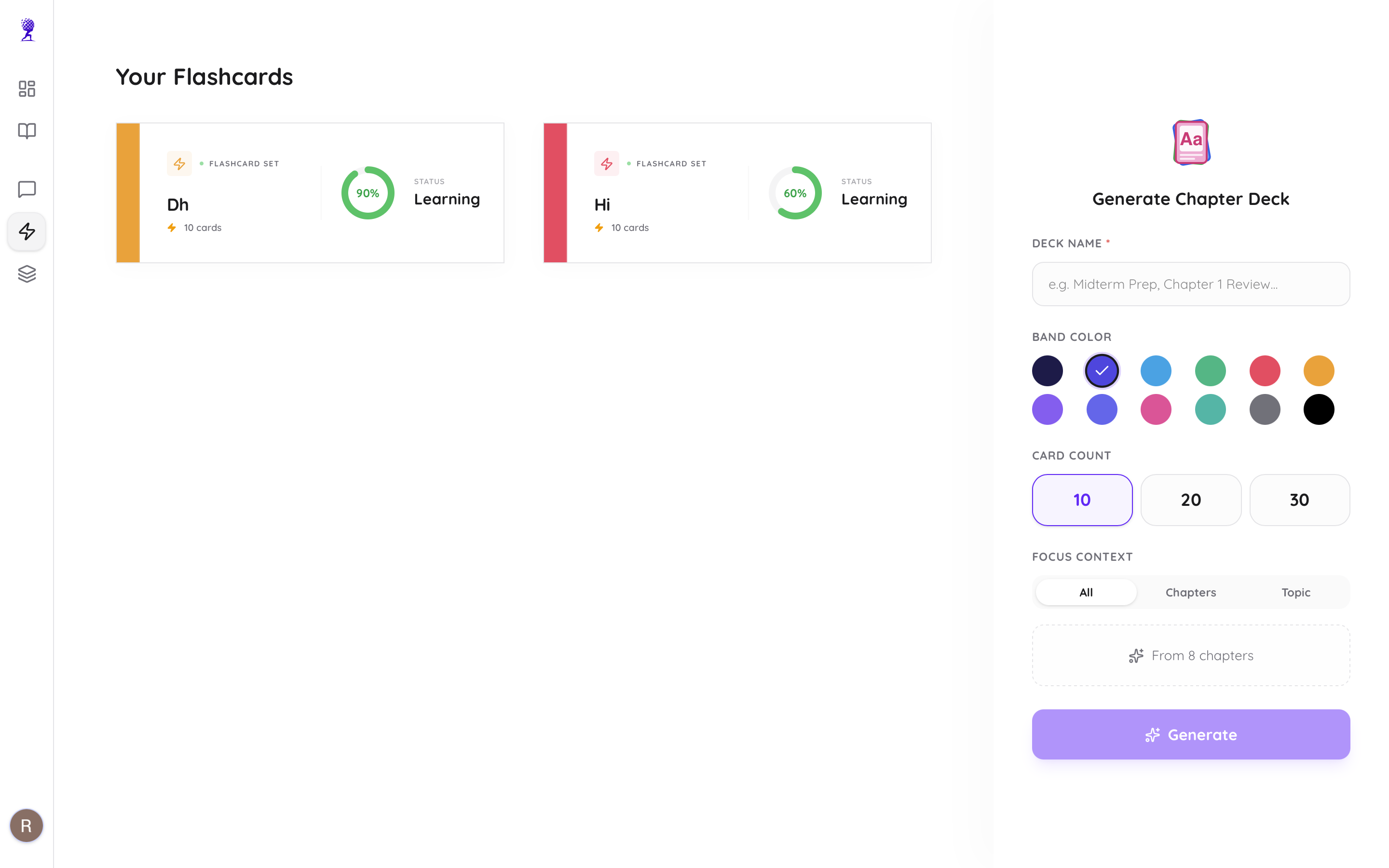
- •Auto-Generated Flashcards: Upload a lecture slide on neuroanatomy and get Spaced Repetition flashcards in 30 seconds.
- •YouTube Synthesis: Paste a link to a Ninja Nerd or Dirty Medicine video, and Atlas extracts structured notes and quizzes from the transcript.
2. AMBOSS AI — The Ultimate Clinical Reference
AMBOSS has integrated AI to help students navigate their massive medical library. It’s an essential tool for clerkships and Step 2 preparation.
Key Features:
- •AI Search: Find clinical answers instantly during rounds.
- •Smart Learning Cards: Links complex diseases to their diagnostic criteria.
- •Qbank Integration: AI analyzes your performance on practice questions to suggest reading topics.
3. Anki with AI Add-ons — The Gold Standard for Memorization
Anki remains the king of Spaced Repetition, but manual card creation is slow.
Modern Upgrades:
- •AnkiHub: Community-updated decks (like AnKing) that keep up with changing guidelines.
- •AI Card Creators: Tools that help you turn lecture notes into cloze-deletion cards. However, many students are switching to integrated AI platforms to avoid the technical setup.
4. Complete Anatomy — 3D Visual Learning
For Anatomy, static images aren't enough. Complete Anatomy uses AI-driven 3D modeling to show how muscles, nerves, and vessels interact.
Why it's essential:
- •Dissection Mode: Virtually "peel back" layers of the body.
- •AI Quizzes: Test your spatial knowledge by identifying structures in 3D.
How to Build an AI-Powered Med Study Workflow
Successful medical students don't use 20 different apps. They use a focused Study System:
- • Ingestion: Upload your textbooks and lecture PPTs to Atlas AI.
- • Structuring: Let AI generate structured study notes with highlighted key terms.
- • Active Recall: Generate and review AI practice quizzes immediately after a lecture.
- • Retention: Review AI-generated flashcards daily using the built-in Spaced Repetition System.
Conclusion: The Edge in Medical Education
With the USMLE Step 1 moving to Pass/Fail, the pressure on Step 2 and clinical knowledge has never been higher. You cannot afford to spend 4 hours a day just organizing your notes.
The "Atlas AI" approach—where the AI handles the organization, card creation, and citation—gives you back those 4 hours. That's time you can spend in the lab, in the clinic, or just resting so you don't burn out.
Ready to master your medical syllabus? Try Atlas AI for free →